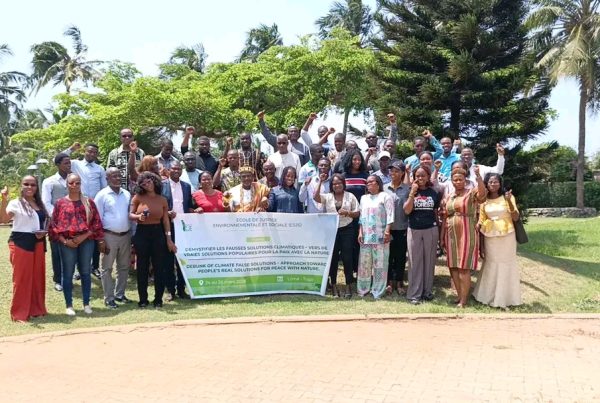

The 17th Conference of the Parties (COP17) to the United Nations Convention on Biological Diversity (CBD), which concluded in Yerevan, Armenia, last week, has called on countries to urgently scale up efforts to restore degraded forests and landscapes, protect threatened ecosystems, and reverse biodiversity loss. With the 2030 deadline fast approaching, the message to governments is clear: commitments must now translate into accelerated and tangible action to achieve the 23 targets of the Kunming-Montreal Global Biodiversity Framework. The continued destruction of nature is not merely an environmental concern; it is an existential threat to life on Earth.
Healthy communities depend on thriving ecosystems, which provide essential services that sustain human life, including clean air, fresh water, food security and natural medicines. Biodiversity also plays a critical role in regulating diseases, maintaining ecological balance and stabilizing the global climate. Forests, for instance, absorb billions of tonnes of carbon dioxide annually, helping to mitigate climate change and maintain environmental stability. However, biodiversity is disappearing at an alarming rate, with approximately one million species facing the threat of extinction. This unprecedented decline threatens the natural systems upon which human health, livelihoods and economic development depend, while increasing communities’ vulnerability to climate change and other environmental risks.
In response to this growing crisis, COP17 adopted the Yerevan Pathway, a negotiated roadmap calling on countries to accelerate implementation of their biodiversity commitments and intensify efforts to halt and reverse nature loss by 2030. The message is particularly urgent: protecting biodiversity cannot remain a matter of policy declarations and international negotiations; it requires decisive action, adequate resources, stronger national implementation and meaningful participation from communities.
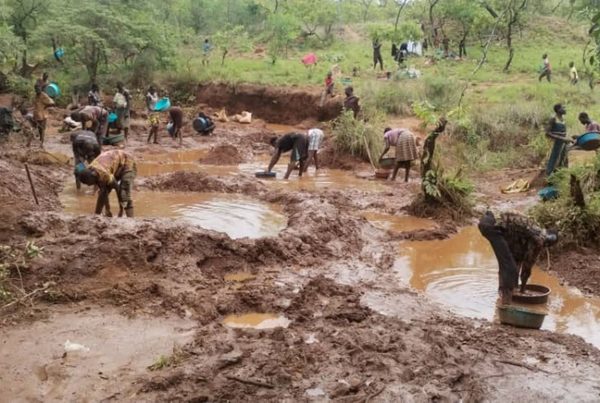
When we turn to Uganda, the picture is no different. The country is richly endowed with forests, wetlands, rivers, lakes, wildlife and diverse ecosystems that support millions of livelihoods. Yet these natural assets continue to face mounting pressure from deforestation, wetland encroachment, unsustainable resource extraction, pollution, habitat destruction and the impacts of climate change. These pressures threaten not only the country’s biodiversity but also food security, public health, water availability and the livelihoods of communities that depend directly on natural resources.
Uganda must therefore translate the global commitments reaffirmed at COP17 into concrete national and local actions. Restoring degraded ecosystems, strengthening the protection of forests and wetlands, promoting sustainable land-use practices and empowering local communities to participate in biodiversity conservation must become national priorities. Government institutions, civil society organizations, development partners, the private sector, women and young people all have a role to play.
The countdown to 2030 is already underway. The world cannot afford another cycle of ambitious promises without meaningful implementation. The time to accelerate action is now. Protecting biodiversity is not simply about saving nature; it is about safeguarding human health, securing livelihoods and ensuring a sustainable future for present and future generations.
How Uganda Can Reclaim Its Nature by 2030
Uganda is facing an environmental crisis. Known as the “Pearl of Africa,” the country is currently losing an estimated 10% to 11% of its biodiversity every decade. Fragile wetlands are shrinking, and tens of thousands of hectares of forest disappear annually to fuel the charcoal trade and clear land for farming.
With a soaring population and ambitious national growth targets, Uganda stands at a critical crossroads. To turn the tide, the country has launched its National Biodiversity Strategy and Action Plan III (NBSAP III, 2025–2030) under the theme “Conservation and Sustainable Use of Biodiversity for Inclusive Wealth Creation.”
Achieving these goals by 2030 requires aggressive, rapid action to bridge the gap between policy paper and real-world impact.
The Blueprint for 2030: Rapid, Ambitious Actions
To reverse nature loss over the next four years, Uganda must accelerate progress on several critical fronts:
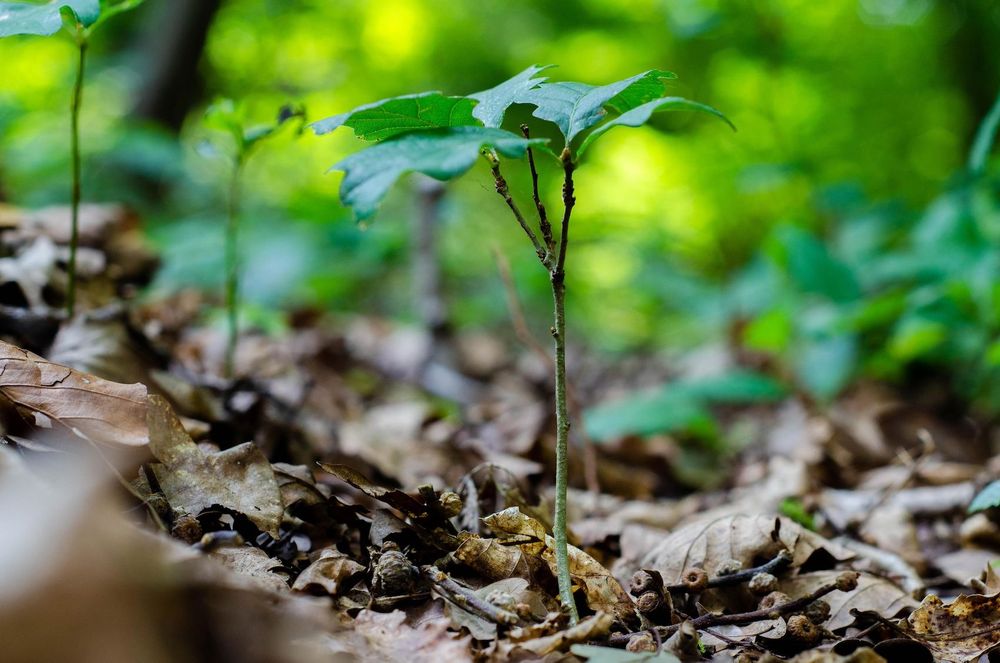
- Enforce Zero-Tolerance Ecological Recovery: Implement strict no-build policies and decisively halt encroachment in fragile wetlands. Forest restoration must be scaled up drastically to push national forest cover toward the 21% target by 2030.
- Revolutionize Clean Cooking: With 88% of the population relying on biomass, the demand for wood fuel and charcoal is stripping the landscape. Uganda must fast-track affordable, clean-cooking alternatives like liquefied petroleum gas (LPG) and energy-efficient stoves to protect standing forests.
- Scale Up Nature-Based Solutions: Expand agroforestry, riverbank stabilization using bamboo, and smart soil-erosion controls to build resilient farming landscapes around Key Biodiversity Areas.
- Save Aquatic Ecosystems: Overfishing and destructive habitat practices threaten Uganda’s lakes and rivers. Transitioning to community co-management models gives local fishers a direct economic stake in long-term stock recovery.
- Unlock Green Financing: Conservation cannot rely on goodwill alone. Uganda needs to operationalize the Biodiversity Finance Initiative (BIOFIN), leveraging green bonds, carbon credits, and private-sector ESG investments to bridge the USD $105.8 million annual funding gap.
Understanding the Brake Pedals: Why Has Progress Stalled?
- The Economic Development Tug-of-War:
National goals like Vision 2040 and oil exploration in the Albertine Graben frequently clash with conservation priorities. Short-term land conversion for commercial agriculture and mining often wins out over ecological health.
- Enforcement and Governance Gaps:
Inconsistent implementation of existing laws, corruption, and political interference have historically watered down the authority of bodies like NEMA and the National Forestry Authority (NFA).
- Severe Underfunding:
Conservation is chronically underfunded. Budget allocations consistently fall short of the required millions, leaving regulatory bodies heavily dependent on unpredictable external donor funding.
- Demographic Realities:
A population growing at over 3% annually puts immense pressure on finite natural resources, driving land fragmentation and subsistence encroachment into protected zones.
- Data Blind Spots:
A lack of localized, real-time ecological data makes it incredibly difficult to monitor compliance or measure the true success of tree-planting initiatives.