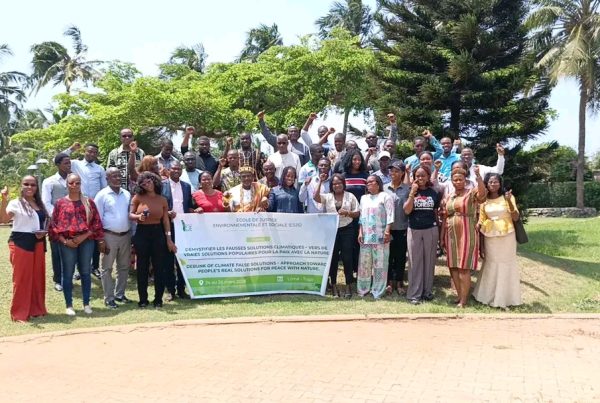

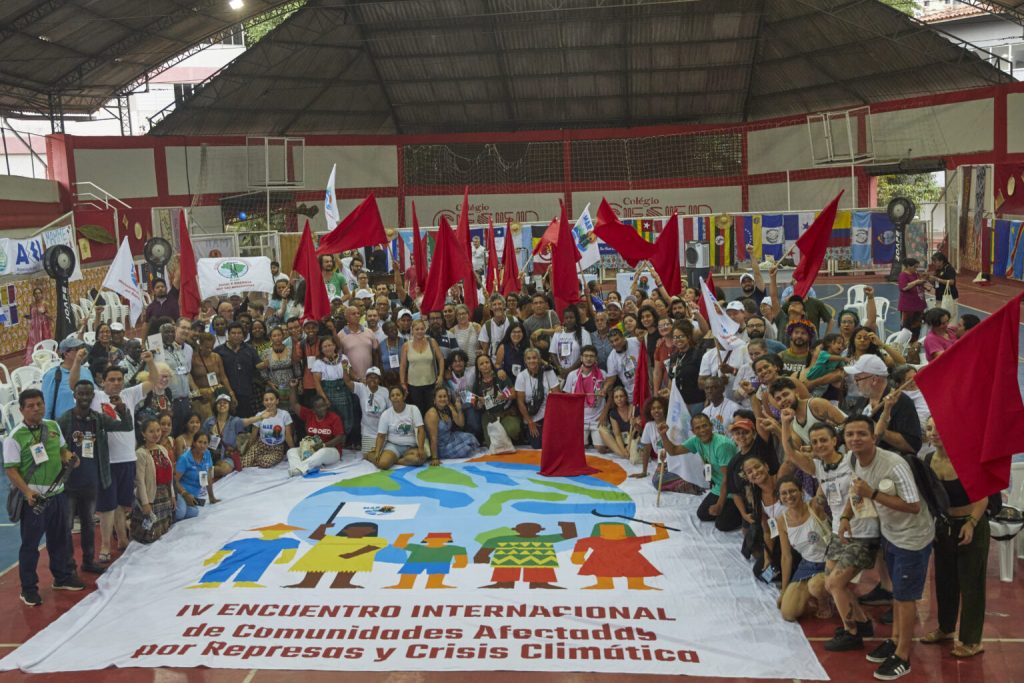
The IV International Meeting of Communities Affected by Dams and the Climate Crisis, held in Belém, Brazil, provided a critical platform for communities from across the globe to share experiences, strengthen solidarity, and advance collective action against the social and environmental impacts of large-scale infrastructure projects and extractive industries. In solidarity with the Movimento dos Atingidos por Barragens (MAB), Bio Vision Africa (BiVA), as part of the growing international movement of communities affected by dams and the climate crisis, joined delegates from Africa, Latin America, and other regions to amplify the voices of frontline communities. The gathering highlighted the common experiences of displacement, ecological degradation, loss of livelihoods, and social injustice faced by communities affected by mega dams, mining operations, and other extractive projects. It reinforced the understanding that resistance to extractivism and the pursuit of environmental justice are shared global struggles requiring coordinated international action.
African delegates underscored the striking similarities between the experiences of communities in the Amazon region and those across Africa. Participants highlighted how mega infrastructure projects, including large hydropower dams and mining developments, frequently prioritize corporate interests and geopolitical agendas at the expense of local communities’ rights and well-being. Examples cited included dam developments along the Nile River in Uganda and Ethiopia, the Cahora Bassa Dam in Mozambique, and extensive mining operations in the Democratic Republic of Congo. Delegates emphasized that these projects often result in forced displacement, land dispossession, environmental destruction, and inadequate compensation for affected populations. Discussions also focused on advancing the concept of energy sovereignty, with African movements advocating for community-driven energy solutions that prioritize accessibility, affordability, sustainability, and local needs, rather than export-oriented energy production or elite consumption. This vision aligns closely with broader demands for climate justice and equitable development.
The meeting further highlighted the urgent need for stronger legal and institutional frameworks to safeguard the rights of communities affected by dams and extractive projects. Participants identified Brazil’s National Policy on the Rights of Populations Affected by Dams (PNAB) as a valuable model that could inform similar legislation in countries such as Uganda, Mozambique, the Democratic Republic of Congo, and Ethiopia. Such frameworks would help guarantee fair compensation, secure resettlement processes, and establish long-term social and environmental safeguards for affected communities. A significant outcome of the gathering was the inclusion of African organizations in the newly launched International Movement of Peoples Affected by Dams, Socio-environmental Crimes, and the Climate Crisis. This milestone ensures that African perspectives and struggles are represented within global advocacy spaces and strengthens the capacity of movements across continents to share strategies, build solidarity, and collectively advocate for environmental justice and the rights of affected communities worldwide.