
When we think of plastic pollution, we often picture blocked drainage systems, littered beaches, or floating debris on Lake Victoria. But beneath the visible mess lies a much more dangerous and invisible threat—a growing public health crisis affecting millions of Ugandans every day.
Plastic is everywhere—in our water, our soil, the food we eat, and even the air we breathe. Once hailed as a miracle of modern convenience, plastic has now become a toxic legacy, particularly in low- and middle-income countries like Uganda.
A Nation Drowning in Plastic
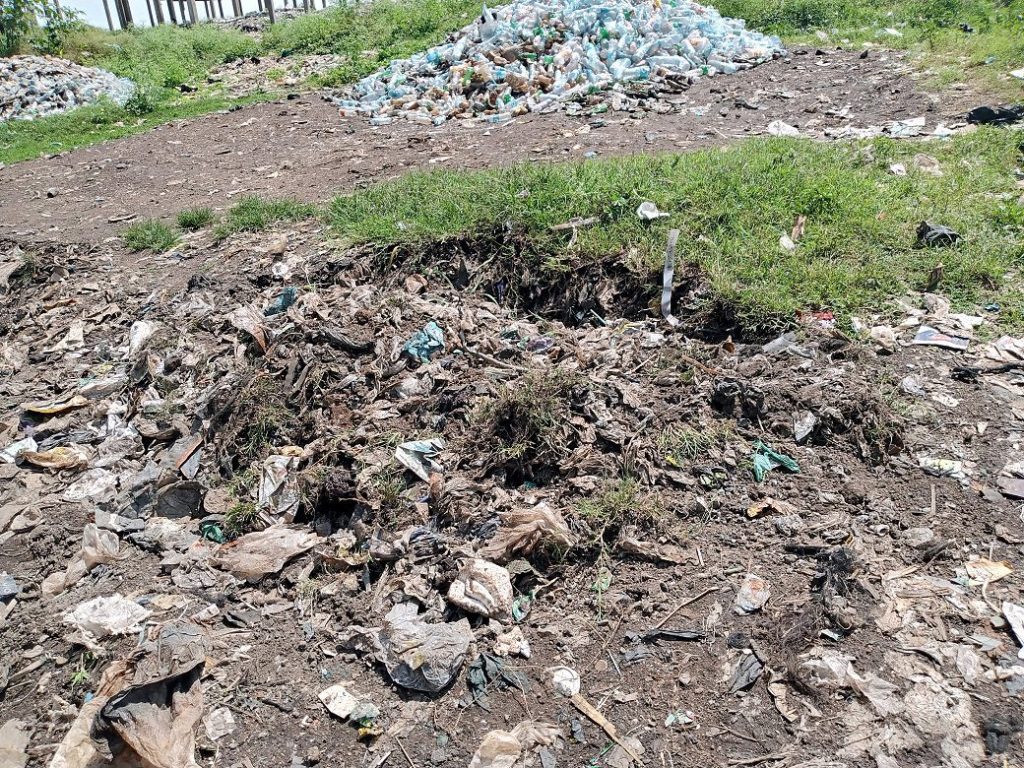
Over the past two decades, Uganda has seen a dramatic surge in plastic consumption. From single-use kaveera (polythene bags) to sachet-packed goods and plastic bottles, the convenience culture has taken root. But with limited infrastructure for waste management and recycling, the consequences are dire.
It is estimated that Kampala alone generates over 600 tons of plastic waste daily, with a staggering portion ending up in landfills, drainage channels, and natural ecosystems.
From Environment to Body: The Invisible Invasion
Plastic pollution doesn’t just harm the environment, it seeps directly into our lives and bodies. Research has shown alarming signs of how plastic is silently degrading public health across Uganda:
- Microplastics in Lake Victoria: These tiny plastic fragments, often invisible to the naked eye, are now present in the lake’s waters and fish species—an alarming development considering the lake supplies water and food to millions.
- Toxic Smoke from Burning Waste: In both rural and urban areas, burning plastic is still a common method of disposal. The result? The release of poisonous chemicals like dioxins, linked to cancer, respiratory illnesses, and weakened immune systems.
- Soil and Crop Contamination: Plastics left in the soil don’t just degrade the land—they also release harmful chemicals that may affect crops and the food chain. This is a growing concern for Uganda’s largely agricultural economy.
Who Bears the Brunt?
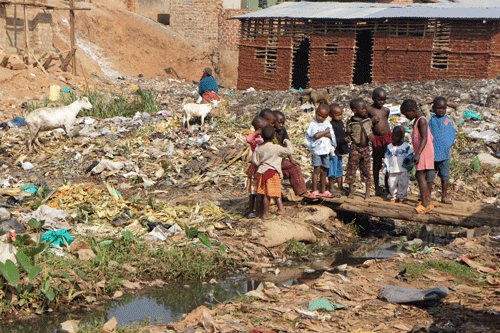
The health effects of plastic pollution are not felt equally. Children, informal settlement dwellers, street vendors, and waste pickers are at the greatest risk. These groups often live and work closest to polluted areas, with limited access to clean water or healthcare, making them especially vulnerable to toxic exposure.
Imagine a child playing beside a burning trash heap or a mother preparing food in a neighborhood where drains are clogged with plastic. These are not rare scenes—they are daily realities in many Ugandan communities.
Policies Exist, But Where Is the Enforcement?
Uganda has made some attempts to tackle the issue, including a ban on non-biodegradable plastic bags under 30 microns. But walk through any market or supermarket today, and you’ll still find these bags in circulation.
The truth is, policy without enforcement is powerless. Manufacturers continue to flout regulations, and many citizens are unaware of the risks. Uganda urgently needs more than legislation – it needs education, innovation, and enforcement.
What Can Be Done?
There is a critical need not only to strengthen the enforcement of existing bans and regulations but also to adopt a more comprehensive approach to tackle the issue. This includes promoting the use of environmentally friendly alternatives such as biodegradable packaging and reusable bags, which can significantly reduce dependence on single-use plastics. Public awareness campaigns should be intensified to educate citizens about the environmental and health impacts of plastic waste, while schools should incorporate environmental education into their curricula to instill sustainable values from a young age. At the same time, Uganda must invest in improving its waste management systems, ensuring that plastic waste is effectively collected, sorted, and recycled. Communities should be encouraged to segregate waste at the source to support recycling efforts.
The Future Is in Our Hands
Plastic pollution is not just an environmental issue—it is a human health emergency. And while its effects may be invisible for now, the long-term consequences are undeniable. Cancer, reproductive issues, respiratory diseases—these are not just distant threats, but growing realities.
Uganda must act boldly and swiftly. Because the question is no longer whether plastic is harming us. It is: How much more harm can we afford to ignore?