
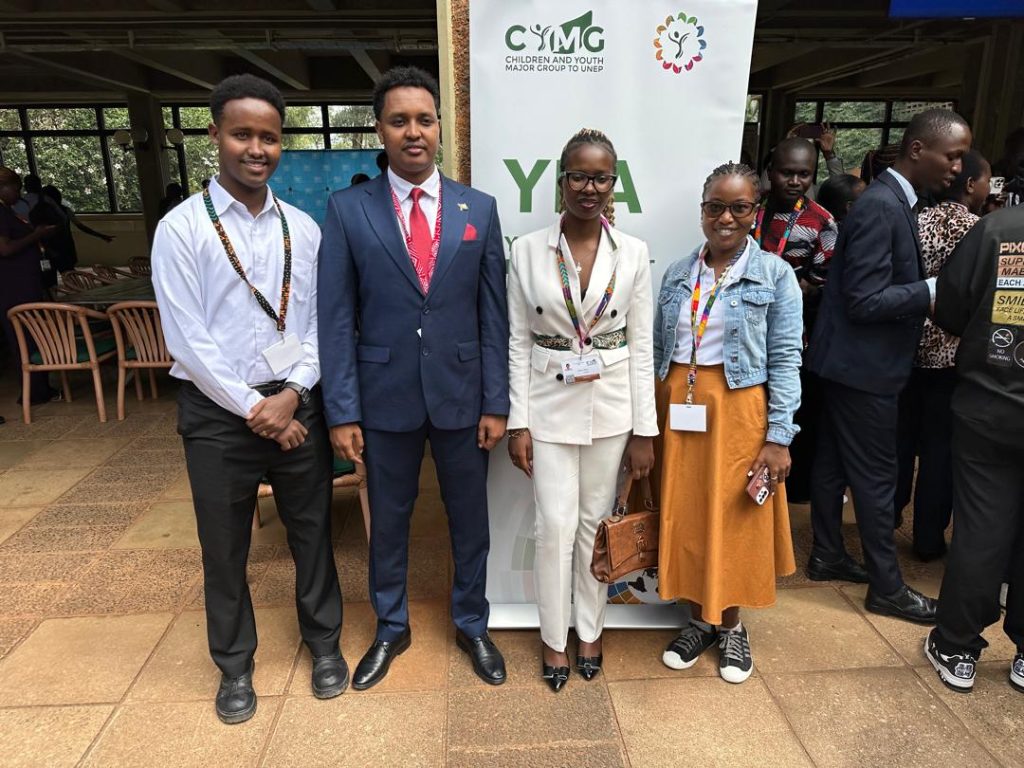
In the lead-up to the seventh session of the United Nations Environment Assembly (UNEA-7) held in Nairobi, Kenya, two important stakeholder platforms: the Global Youth Environment Assembly (YEA) and the Women’s Environmental Assembly (WEA), provided critical opportunities for inclusive engagement in shaping global environmental priorities. These assemblies served as key preparatory events that brought together diverse voices from across the world to contribute perspectives, recommendations, and solutions that informed discussions during UNEA-7. Their outcomes reinforced the importance of ensuring that environmental governance processes are participatory, equitable, and reflective of the experiences and aspirations of all sectors of society.
The Global Youth Environment Assembly, convened from 29–30 November and 7 December 2025, was organized by the Children and Youth Major Group to the United Nations Environment Programme (UNEP). The Assembly brought together more than 1,000 young environmental leaders, advocates, innovators, and policymakers from around the world. The forum provided a platform for young people to strengthen their advocacy skills, build strategic partnerships, and enhance their capacity to engage effectively in global environmental decision-making processes. Through a series of dialogues, workshops, and collaborative sessions, participants examined pressing environmental challenges and explored innovative, youth-driven solutions to address the climate crisis, biodiversity loss, pollution, and environmental injustice.
A significant outcome of the Youth Environment Assembly was the development and adoption of the Global Youth Declaration on the Environment. The declaration captured the priorities, concerns, and recommendations of young people worldwide and outlined practical actions for advancing sustainable development and environmental protection. On 7 December 2025, the declaration was formally presented to UNEP leadership, ensuring that youth perspectives were integrated into the discussions and negotiations of UNEA-7. The process demonstrated the growing recognition of young people not only as beneficiaries of environmental policies but also as essential partners in designing and implementing solutions for a sustainable future.
Complementing the youth engagement process, the inaugural Women’s Environmental Assembly was held on 30 November 2025. The Assembly was co-organized by the Women’s Major Group and partner organizations, including Women for Biodiversity, and brought together women environmental defenders, grassroots leaders, scientists, policymakers, and civil society representatives from diverse regions. The event provided a dedicated platform to elevate women’s leadership and experiences in environmental governance, while highlighting the gendered dimensions of environmental degradation and climate change.
Discussions during the Women’s Environmental Assembly emphasized the need to place gender equality, human rights, and community-led approaches at the centre of environmental policymaking. Participants advocated for stronger recognition of women’s contributions to environmental stewardship and called for increased representation of women in decision-making spaces at all levels. The Assembly also highlighted the importance of intergenerational equity, acknowledging the interconnected roles of women, youth, and local communities in advancing sustainable and inclusive environmental solutions. Recommendations emerging from the Assembly sought to ensure that gender-responsive approaches were reflected in UNEA-7 resolutions and implementation strategies.
The outcomes of both the Youth Environment Assembly and the Women’s Environmental Assembly played an important role in shaping the broader multi-stakeholder dialogue that informed the work of the 193 Member States participating in UNEA-7. These platforms demonstrated that addressing complex environmental challenges requires inclusive governance frameworks that actively engage traditionally underrepresented groups. By creating spaces for meaningful participation, the assemblies strengthened the legitimacy and effectiveness of global environmental decision-making processes.
Bio Vision Africa recognizes the critical role of youth and women as agents of change in advancing environmental justice and sustainable development. Participation in these assemblies provided valuable opportunities to engage with diverse stakeholders, exchange experiences and best practices, and advocate for inclusive approaches that prioritize the voices of communities most affected by environmental challenges. The insights and commitments generated through these forums continue to inform Bio Vision Africa’s work in promoting community-driven solutions, strengthening environmental leadership, and advancing equitable participation in environmental governance at local, national, and international levels.